

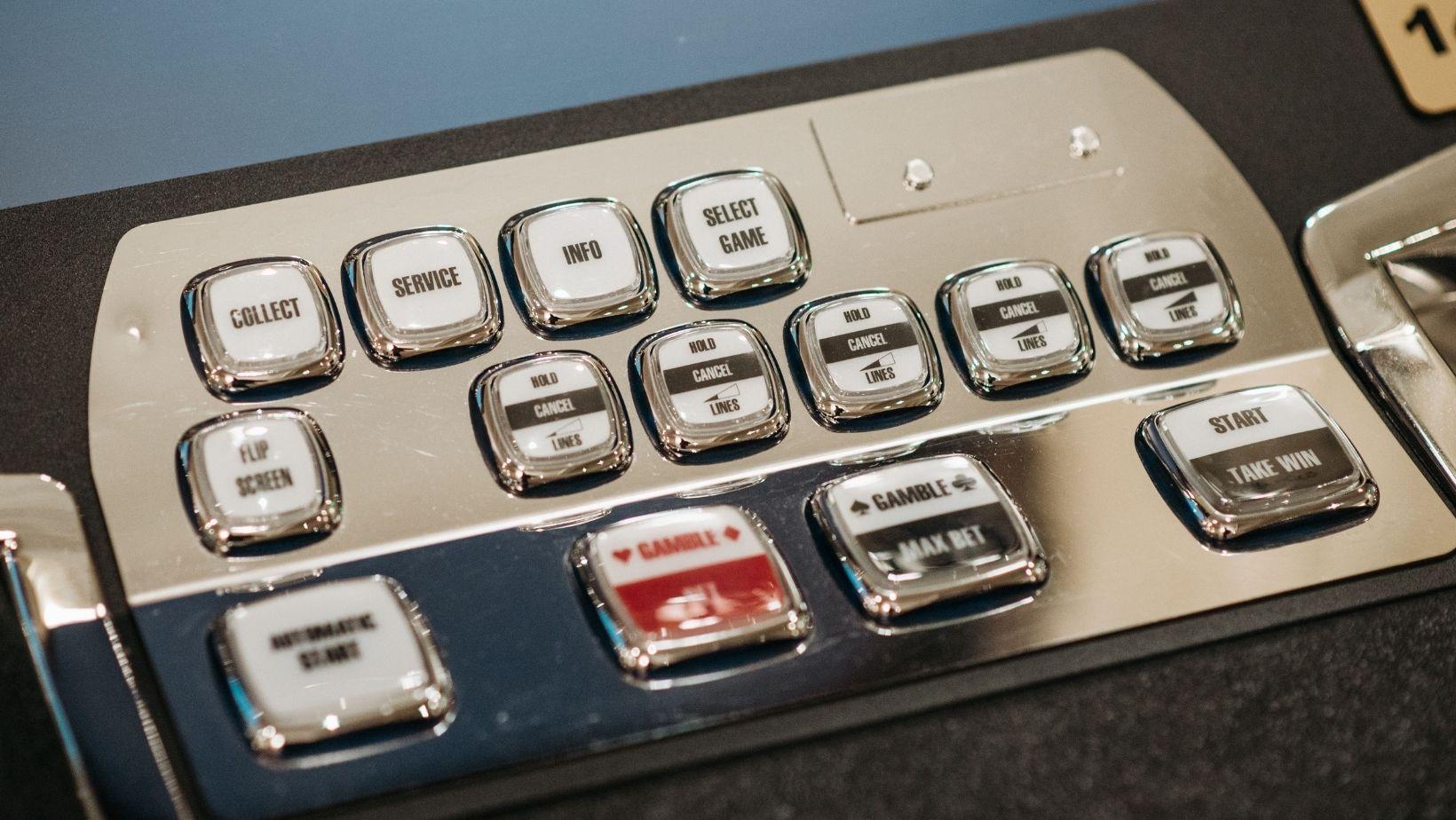
Have you noticed how slot games feel faster, clearer, and more tailored to the way people actually play? That shift is not random. It comes from years of watching player habits change across mobile screens, shorter play sessions, and a stronger preference for feedback that feels immediate and easy to read.
Modern slot design now reacts to behavior data in very practical ways. Developers study where players pause, how long they stay, which features hold attention, and which screens cause confusion. The result is a new approach where layout, pacing, and feature timing are shaped around real player choices instead of old assumptions.
That change has made slot games more readable, more flexible, and more responsive. It has also pushed creators to think less about adding complexity for its own sake and more about building experiences that match how people actually interact with games from one spin to the next.
Shorter Sessions Are Shaping Core Mechanics
Player sessions are getting shorter, so games now need to communicate faster.
Faster Feedback Loops
Many players now open a game for a few minutes at a time, often on a phone. That behavior has pushed designers to make outcomes easier to read at a glance. Wins are highlighted faster, symbol effects resolve with less delay, and bonus triggers are introduced earlier so players do not wait too long for something meaningful to happen.
Less Friction At The Start
Older games often took more time to explain themselves through play. Newer formats usually reduce that delay. A player can understand the rhythm, value flow, and feature structure quickly, which helps casual users stay oriented without reading long instructions.
This is one reason the basic slot experience now often feels cleaner and more direct. Designers are trimming unnecessary pauses and making each action feel easier to follow from the first few spins.
Mobile Habits Are Changing Visual Design
Phone use has changed more than screen size. It has changed how information must be presented.
Bigger Visual Priorities
Small screens leave little room for clutter, so designers are choosing stronger icon contrast, larger tap targets, and simpler interfaces. Important information such as balance changes, bonus progress, and reel states needs to stand out instantly. If players miss key details, they are more likely to leave.
Portrait-Friendly Thinking
Many players hold phones upright, so modern games often build around vertical use patterns. This affects symbol spacing, button placement, and how animations move across the screen. Designers now think about thumb reach and quick one-handed interaction in a way that barely mattered in older desktop-first formats.
Players Want Clearer Control Over Volatility And Pace
Modern players often pay closer attention to how a game feels over time, not just what theme it uses.
Transparency Builds Trust
People are more likely to continue playing when they can sense the rhythm of risk and reward. That has encouraged designers to present feature rules, multiplier behavior, and bonus conditions in clearer ways. Instead of hiding systems behind mystery, many games now make their structure easier to understand through visual cues and cleaner information panels.
Pacing Matters As Much As Theme
Behavior data shows that some players prefer frequent small events while others stay longer for slower builds toward larger feature moments. Designers respond by tuning how often special symbols appear, how bonus meters fill, and how long transitions last. The feel of the game is now treated as a measurable part of the experience rather than a side effect.
Social Influence Is Affecting Feature Choices
Players do not experience games in isolation anymore, even when they are playing alone.
Shareable Moments Matter
Big visual reveals, near-complete progress bars, and dramatic bonus entries tend to hold attention because people talk about them, clip them, and compare them. That does not mean games are built only for spectacle, but it does mean designers now think about which moments players remember and describe to others after a session ends.
Community Language Feeds Back Into Design
Player communities often create their own terms for hot streaks, bonus patterns, or play styles. Phrases like slot gacor show how users try to label experiences they feel are rewarding or active. Designers watch that language closely because it reveals what players notice, what they value, and which kinds of momentum keep them interested.
Data Tracking Is Refining Bonus Structures
Behavior tracking now gives designers a sharper picture of what players enjoy and what they ignore.
Bonus Entry Timing Is More Deliberate
If a feature appears too rarely, many players lose interest before reaching it. If it appears too often, it can lose impact. Designers use play pattern data to find a balance where bonus access feels achievable without becoming flat or predictable. This has made feature timing one of the most carefully adjusted parts of modern slot design.
Dead Time Is Being Reduced
Periods with little visual or emotional change often lead to shorter sessions. In response, games now add more intermediate events such as collection mechanics, symbol upgrades, or partial progress states. These do not always mean bigger wins, but they give players a stronger sense that each spin contributes to something.
Simplicity Is Becoming A Competitive Advantage
More information does not always lead to a better experience.
Complexity Can Push Players Away
Behavior patterns show that many players leave games that overload them with too many systems at once. As a result, some of the most effective modern designs focus on one or two easy-to-read ideas and execute them well. A clear feature loop often holds attention better than a crowded rule set.
Learning Through Play Works Better
Players tend to respond well to mechanics that reveal themselves naturally during early spins. Instead of forcing a full explanation upfront, designers often let small events teach the game step by step. That makes the experience feel smoother and helps new users understand the rules without breaking momentum.
Player Behavior Will Keep Steering Future Formats
The link between player habits and slot design is only getting tighter.
Adaptive Thinking Will Continue
As habits shift, games will keep adjusting their structure, speed, and presentation. Designers are already treating player behavior as a live source of feedback, not a one-time research project. That means future changes will likely focus even more on readability, responsive pacing, and feature systems that respect short attention windows.
Better Design Starts With Better Observation
The biggest lesson is simple: people show designers what works by how they play, pause, and return. Slot games are changing because players are changing, and the most effective designs are the ones that listen closely to those signals and respond with clarity, balance, and smarter choices.


