

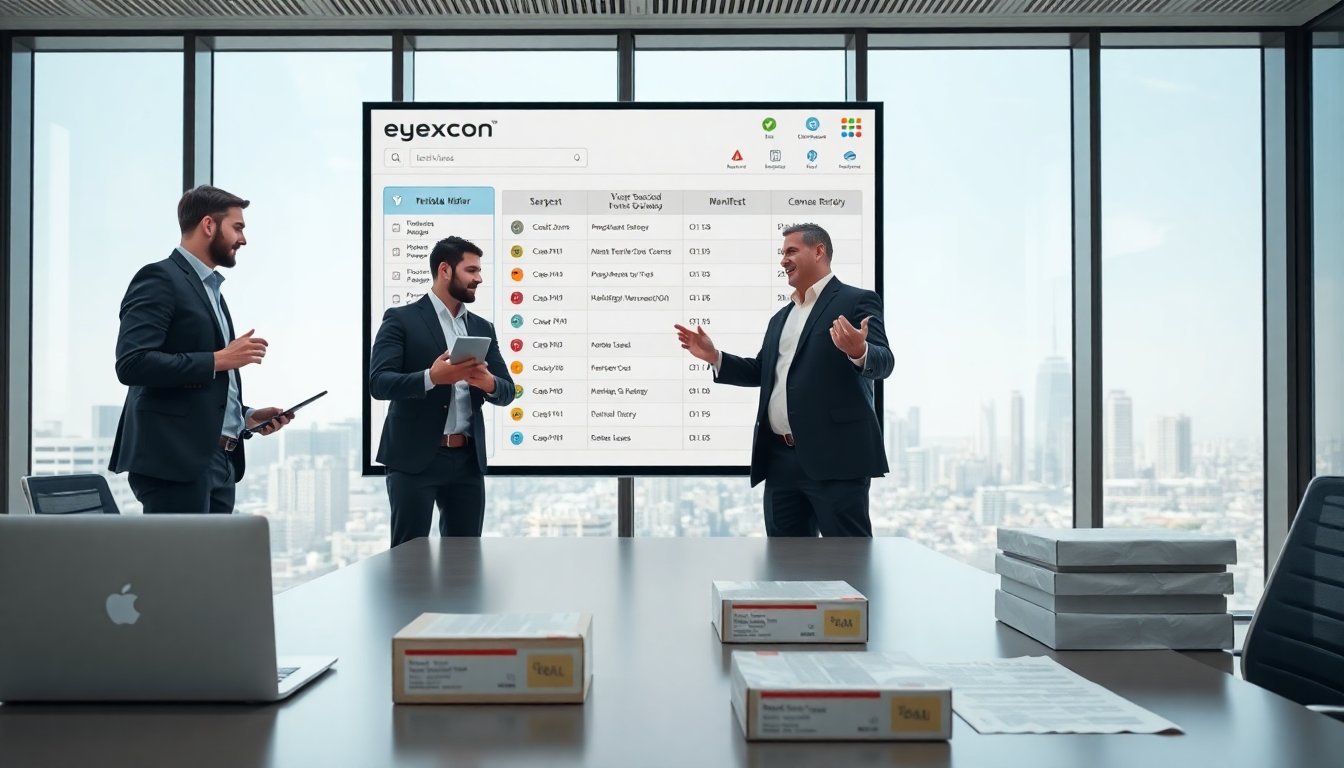
The eyexcon technology archives contain technical papers, datasets, prototypes, and change logs. The archives store patents, white papers, demo code, and research notes. Readers find historical timelines, contributor records, and license details. Researchers and engineers use the archives to find prior art, replicate experiments, and shorten development time. The guide explains what the archives include and how users access and evaluate entries.
Key Takeaways
- The eyexcon technology archives provide comprehensive technical materials including patents, datasets, source code, and change logs essential for research and development.
- Researchers and engineers use the archives to speed up innovation by reusing code, verifying experiments, and avoiding duplicated work.
- The archives feature detailed metadata, version histories, and standardized tags to support efficient searching, evaluation, and reproducibility of archived entries.
- Access to the archives includes both public and restricted content, with controlled permissions and clear license information to ensure legal compliance.
- Best practices encourage users to validate data, cite archive entries accurately, use automated checks for code integrity, and contribute improvements back to maintain archive quality.
- Legal and product teams benefit from the archives by checking license compatibility early and managing access approvals for sensitive or restricted materials.
What The Eyexcon Technology Archives Include And Why It Matters
The eyexcon technology archives list raw data, processed datasets, source code, technical reports, and test logs. The archives contain metadata for each item. The metadata shows author, date, license, and related projects. The archives also store video demos and hardware schematics. The eyexcon technology archives include version histories and change annotations. The entries link to published papers and conference talks.
The archives matter because they reduce duplicate work. Teams can reuse code and datasets from the archives. Researchers can verify experiment claims using archived inputs and scripts. Product teams can find reference implementations in the archives. Legal teams can check license tags in the archives to avoid compliance issues. The archives also help preserve institutional knowledge when staff change roles.
The eyexcon technology archives contain both public and restricted items. The public portion offers downloads and DOI links. The restricted portion requires credentials or project affiliation. The archive interface marks restricted items clearly. The eyexcon technology archives include curator notes for sensitive entries. The archives also record external citations and usage statistics to show impact.
The archives use consistent naming and folder structures. The consistent structure helps automated tools index the content. The archives tag items with standard taxonomies. The tags include device types, algorithm class, dataset size, and evaluation metrics. The eyexcon technology archives provide machine-readable manifest files for each release. The manifests speed up reproducible builds and automated checks.
How To Search, Access, And Evaluate Archive Entries
Users search the eyexcon technology archives with simple queries or advanced filters. The search supports keyword, author, DOI, and date range. The archive UI offers filters for file type, license, and project. Users can sort results by relevance, date, or citation count. The archives also provide an API for programmatic queries.
To access files, users request a download or an API token. Public files download without friction. Restricted files require authenticated access and a signed terms agreement. The archives log all downloads and access events. The eyexcon technology archives support bulk export for selected items. The export includes metadata, checksums, and manifest files.
Users evaluate archive entries by checking metadata, file integrity, and provenance. The metadata shows file size, checksum, and signature. The archives record any post-release corrections. Users verify checksums before they run experiments. The archives link to peer reviews and external replications where available. The eyexcon technology archives show usage metrics to help users judge community adoption.
Users should read license statements in each entry. The archive highlights permissive and restrictive licenses. Teams should confirm compatibility between archive licenses and their product licenses. The archives provide contact points for clarification. The eyexcon technology archives also keep a log of export approvals and license exceptions.
Best Practices For Researchers, Developers, And Product Teams Using Eyexcon Materials
Researchers cite items from the eyexcon technology archives in their papers. Researchers include DOI, version, and checksum in citations. Engineers pin dependency versions from the archives. Engineers store local copies and record checksums. Product teams check license terms and request exceptions early.
Researchers validate archived datasets before use. They run basic sanity checks and sample the data. Researchers document any preprocessing steps and publish the scripts back to the archives. Developers run the provided test harnesses and record output. Developers report failures and submit patches through the archive contribution process.
Teams adopt automated checks for archived code. CI pipelines fetch archive artifacts and verify signatures. Teams fail builds on checksum mismatches. Product managers track archive dependencies in a single manifest file. They update the manifest during each release cycle.
When teams use restricted items, they request formal access and record approval. Teams keep a record of who approved the access and the approval scope. Legal teams archive correspondence and any export controls. The eyexcon technology archives recommend least-privilege access for sensitive assets.
Teams contribute back to the eyexcon technology archives. Contributors add clear READMEs, license files, and usage examples. Contributors tag items with stable identifiers. The archives reward useful contributions with visibility and citation tracking. Contributors who document experiments shorten the review time for future projects.