

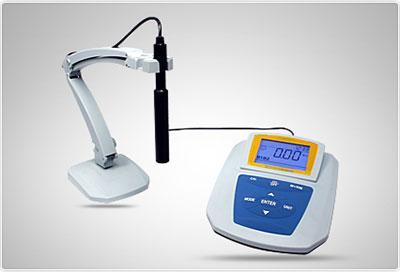

Looking at a glass of drinking water now, who has ever wondered just how pure it turns out to be?
People generally check by tasting and smelling, but cleanliness is a matter of clarification. Water that looks clear is something that gives you confidence. That kind of purity behind it is due to careful measuring.
It is in these situations that high-precision turbidity meters play a crucial role in guaranteeing that potable water is safe and reliable.
At its simplest level, what causes turbidity is whether water looks clear or not.
Normally, that means it looks cloudy. All the tiny particles, such as silt, organic matter, and small pieces of debris, in it make it so.
Although a river may appear clear to the eye, even slight changes, sometimes invisible, in the water can tell you a great deal: High-precision measurement of water quality enables the water systems to maintain a consistent supply day after day.
Understanding Turbidity and Drinking Water Clarity
The higher the turbidity reading, the more light scatters. It is a measurement of water clarity. For drinking water, clarity is linked to proper treatment and filtration processes.
High-precision instruments are used to measure turbidity consistently. These use optical systems for detecting and trapping light scattering, then transform it into numbers that can be read easily.
In real time, water professionals can understand water quality and keep it in accepted clarity levels.
Types of Turbidity Meters
Turbidity measurement plays a critical role in drinking water quality and food hygiene, where accuracy and reliability are essential. To meet different testing needs, turbidity meters are generally available in two main types: Benchtop Turbidity Meters and Portable Turbidity Meters.
1. Benchtop Turbidity Meters are typically used in laboratories and controlled environments. They offer high precision and consistent readings, making them ideal for detailed analysis and compliance testing. Even small changes in water clarity can be detected accurately, helping water quality teams make confident, data-driven decisions.
2. Portable Turbidity Meters, on the other hand, are designed for field use. They allow on-site measurements in locations such as treatment plants, distribution systems, or remote areas. While compact and easy to use, they still provide reliable results, enabling quick assessments and timely action.
Using the right type of Turbidity Meter ensures accurate readings, builds confidence in water quality management, and supports long-term trust in water systems.
The Role of High-Precision Turbidity Meters in Water Monitoring
High-precision turbidity meters are widely used in water testing and monitoring. Their adoptive environment includes but is not limited to laboratories, treatment plants, and field checks. Its high precision and high reliability measurement performance are indispensable in water quality routines.
Often, these meters are equipped with a digital display and proprietary optical sensor combinations to provide repeatable data. This homogeneity ensures that water clarity remains at expected levels.

Optical Measurement for Clear Results
Turbidity meters use light sources and detectors to measure scattered light. When light passes through water, particles cause scattering. The meter detects this scattering and shows it as a turbidity value.
This method allows accurate measurement across different clarity ranges. From very clear drinking water to samples with higher particle levels, the readings stay dependable.
Supporting Daily Water Quality Checks
Daily water testing helps maintain safe drinking water. High-precision turbidity meters make these checks simple and efficient. Clear displays and stable readings allow quick evaluation without confusion.
Regular monitoring builds confidence that water treatment steps are working properly and water remains clear throughout distribution.
Why Drinking Water Systems Rely on Turbidity Data
Water systems depend on turbidity readings to track performance. When filtration and treatment processes work as expected, turbidity stays within a consistent range.
High-precision measurements support smooth operation by offering clear feedback. This helps operators maintain steady water quality without guesswork.
Filtration Performance and Clarity
Filtration systems remove particles from water. Turbidity readings help show how well these systems are performing. Stable low readings indicate effective filtration.
When clarity remains consistent, it reflects balanced operation and proper maintenance of treatment equipment.
Supporting Treatment Process Control
Turbidity data support treatment control by showing how water responds at different stages. Operators can adjust processes based on clear readings.
This supports:
Balanced treatment flow
Steady water clarity
Reliable daily operation
Turbidity meters measure how dirty water looks, maintaining its clearness and safety. A change in water clarity was signaled early by them. They promote trust in water quality, too.
Found in treatment plants, labs, and field testing, they are so indispensable that water stays safe they are a part of everything good every day.
Benchtop vs. Portable Turbidity Meters: Key Differences
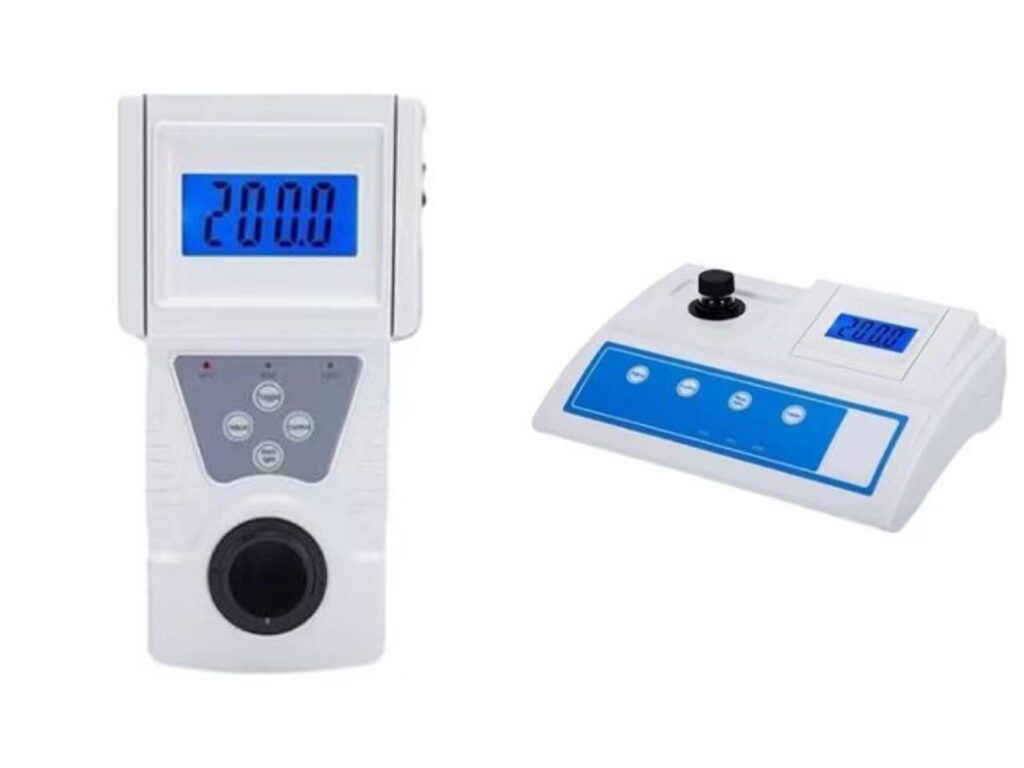
Turbidity meters measure water clarity to help maintain safety and quality. By detecting changes in turbidity early, they support reliable water monitoring across laboratories, treatment plants, and field locations. Choosing the right type of turbidity meter helps ensure consistent results and confidence in daily water quality management.
Key Differences at a Glance
|
Feature |
Benchtop Turbidity Meter |
Portable Turbidity Meter |
|
Typical Use |
Laboratory and controlled environments |
Field testing and on-site measurements |
|
Reading Consistency |
Highly stable and repeatable readings |
Reliable results with slight field variation |
|
Accuracy |
Very high precision |
Good accuracy for quick assessments |
|
Ease of Use |
Requires setup and a fixed workspace |
Simple, handheld, and easy to operate |
|
Display |
Large, clear digital display |
Compact digital display |
|
Calibration |
Less frequent once set |
May need more frequent calibration |
|
Speed of Reading |
Fast and consistent |
Fast for immediate results |
|
Mobility |
Fixed location |
Fully portable |
|
Daily Operation |
Best for routine lab analysis |
Ideal for rapid, on-the-go testing |
How to Use a Turbidity Meter for Accurate and Reliable Results
A turbidity meter checks exactly how clear the water can be. You need to make sure that it’s done right; however, if you want exact results. Start by checking that the sample bottle is clean and dry. Fill the water that you want to test with assurance of no bubbles or dirt on the side.
Place the sample bottle carefully into the turbidity meter. Close the lid, sit back, and let the device read off how turbid it is. Most of today’s turbidity meters have digital displays, so any reading clearly comes up on the screen. There is then no need to guess the result.
All water samples are equivalent to clean and fresh; they must be shaken so as not to destroy any matter therein. Following the manufacturer’s settings can make your equipment achieve an ambitious accuracy. Turbidimeters are not difficult to use.
They have clear display screens that help you quickly read out the result of your water quality check. With any number of readings at one’s disposal and simple handling, they provide an excellent method for regular confirmation of good water quality.
Final Thoughts
A local turbidometer plays a pivotal role in maintaining the clarity of drinking water. By measuring light scattering accurately, it supports consistent water quality in treatment and distribution systems.
A Turbidity Meter ensures that the supply of water is pure and tasty. Through constant supervision and accurate readings, it gives confidence to everyone who drinks from a glass.
Clear water is not just a matter of appearances. It signifies precise measurement, steady control, and a conscientious attitude. High-quality turbidity meters make this a day-after-day occurrence–and without any fuss silently back up the safety of all people’s drinking water.


