

Introduction
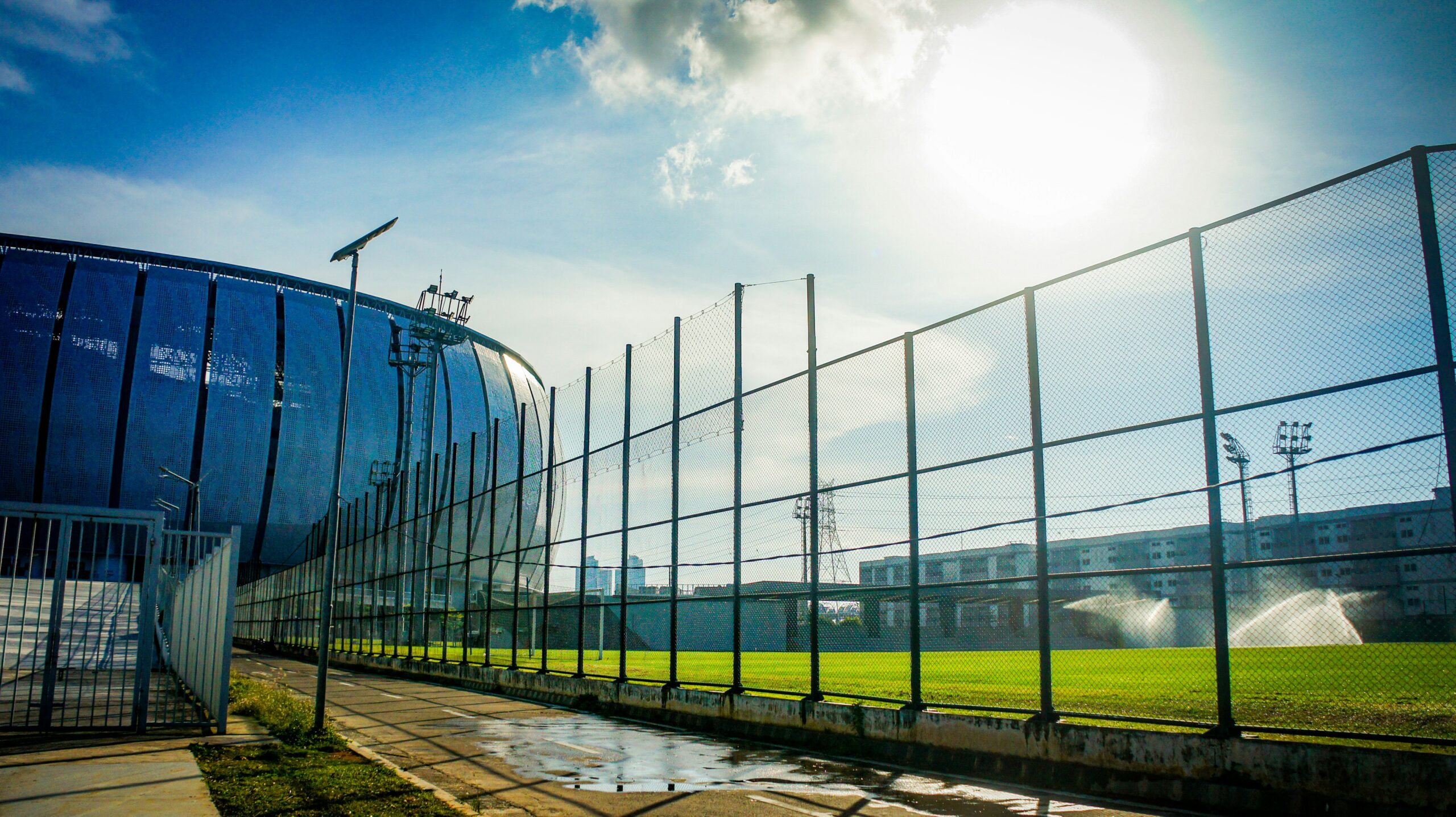
Perimeter security has changed significantly over the past few years. Fencing alone is no longer expected to carry the full weight of site protection, especially as risks become more varied and more complex.
Modern security planning now looks at fencing as part of a broader system. Organizations must consider how many layers of perimeter security are needed, how potential threats should be mitigated, and whether the site requires flexibility for future upgrades.
This is where smart technologies add real value. When integrated correctly with security fencing, they improve visibility as well as speed up response and strengthen overall control of the perimeter.
Rather than replacing physical barriers, these technologies work alongside them to create more effective and adaptable perimeter security systems.
Adding Smart Technology to the Perimeter
Smart technologies turn a passive fence into an active security layer. Instead of relying solely on deterrence, sites gain visibility and response capability.
Common integrations include:
- CCTV systems mounted directly to security fencing
- Motion and vibration sensors that detect climbing or cutting
- Access control points for authorised entry
- Alarm systems linked to monitoring teams
These systems work best when planned alongside the fence design. Open mesh layouts, for example, provide clear sightlines for cameras and reduce blind spots. That visibility improves detection and shortens response times, which is a key part of effective mitigation.
The Role of Modular Systems
Modular systems are changing how perimeter security is planned. Rather than installing everything at once, sites can build security in layers and add components as risks evolve.
A modular approach allows organizations to:
- Start with physical security fencing
- Integrate smart technology when needed
- Upgrade or expand without replacing the entire system
This is especially valuable for growing sites or facilities with changing threat levels. A warehouse may begin with anti-climb fencing and later add sensors or access control. Data centers often take this approach, scaling perimeter security systems as operations expand.
Modularity reduces disruption and helps control long-term costs while maintaining consistent protection.
Mitigation Through Detection and Delay
Smart technology strengthens mitigation by reducing uncertainty. Instead of discovering a breach after it happens, systems detect attempts as they occur.
For example, vibration sensors can alert teams the moment a fence is tampered with. Cameras confirm the threat. Access logs show whether the activity is authorised. Together, these layers reduce response time and limit potential damage.
This combination is particularly important for high-risk environments. High-security fencing may slow an intruder, but smart technology ensures that delay is used effectively.
Balancing Security and Environment
Not every site needs the same level of technology. Public-facing areas often need a balance between protection and appearance. Anti-climb fencing combined with discreet cameras can provide strong perimeter security without creating a hostile environment.
More restricted sites can take a heavier approach. High-security fencing, visible sensors, and controlled access points clearly signal restricted access. In these settings, visibility is part of the deterrent.
The key is alignment. Technology should support how the site functions, not interfere with it.
Long-Term Value and Adaptability
Integrating smart technologies into security fencing is not just about immediate protection. It is about future-proofing. Threats change. Regulations change. Sites expand.
Modular perimeter security systems allow adjustments without starting over. Components can be upgraded, relocated, or replaced while the physical fence remains in place. Over time, this flexibility often proves more cost-effective than rigid, one-time installations.
Conclusion
Effective perimeter security comes from combining strong physical barriers with smart technology. Security fencing provides the structure, while technology adds awareness, response, and mitigation. Together, they create a layered system that adapts to real-world risks.
The right solution is not about adding as much technology as possible. It is about choosing modular systems that fit the site, the threat level, and future plans.
At CLD Systems, we focus on understanding how each site operates and what it truly needs. Let’s get started on meeting your needs.


