

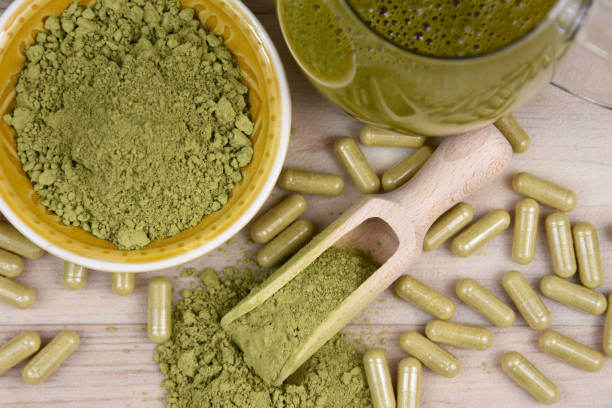
Kratom tablets sit in a weird middle ground. They promise the convenience of capsules with the potency of extracts, all in a compact format that fits easily into your daily routine.
You’ve probably seen them advertised with impressive claims. “Ultra-concentrated.” “Maximum strength.” “One tablet equals multiple grams of powder.” The marketing makes them sound like the obvious choice for anyone tired of measuring powder or swallowing handfuls of capsules.
But tablets represent a significant investment compared to traditional kratom products. They cost more per dose, contain concentrated alkaloids that affect your body differently, and require more careful consideration before purchase. Understanding what you’re actually buying prevents expensive mistakes and disappointment.
What Actually Goes Into Kratom Tablets
Kratom tablets aren’t just compressed powder. Most contain concentrated extracts combined with binding agents that hold everything together in tablet form.
The extraction process isolates alkaloids from plant material. Manufacturers then compress this extract with fillers like microcrystalline cellulose, magnesium stearate, or silicon dioxide. These binders help the tablet maintain its shape and control how it breaks down in your digestive system.
When looking at 7-hydroxymitragynine tablets for sale, you’re typically seeing products that emphasize this particularly potent alkaloid. Some tablets focus on full-spectrum extracts, while others isolate specific compounds for targeted effects.
Common tablet components:
- Kratom extract (varying concentrations)
- Binding agents for tablet structure
- Flow agents to aid manufacturing
- Sometimes flavorings or coatings
- Disintegrants to help tablets dissolve
- Preservatives for shelf stability
Quality tablets dissolve properly in your stomach, releasing alkaloids at the right rate for absorption. Cheap tablets might not break down effectively, wasting product and money.
How Tablet Potency Actually Works
Vendors label tablets with milligram amounts or equivalency claims. You’ll see “50mg tablet equivalent to 3 grams powder” or similar marketing language.
These equivalency claims are rough estimates at best. How kratom extract compares to powder depends on alkaloid content in both the extract and the original powder you’re comparing against. Not all powder is created equal, making these comparisons somewhat meaningless.
What matters more is the actual alkaloid content. A tablet containing 10mg of mitragynine is 10mg regardless of what powder amount it supposedly equals.
Understanding tablet strength:
- Milligram amount refers to total extract weight
- Alkaloid percentage determines actual potency
- Equivalency claims vary wildly between vendors
- Your individual response matters more than marketing math
- Tablet formulation affects absorption speed
Without lab testing showing exact alkaloid content, you’re guessing at actual potency. This makes dosing more challenging, especially when switching between vendors or products.
The Real Cost Comparison
Tablets are expensive. There’s no way around this fact when you break down the actual numbers.
Standard kratom powder costs roughly $0.12-0.16 per gram. A typical 3-gram serving runs about $0.36-0.48.
Kratom tablets typically cost $1-3 per tablet. If one tablet supposedly equals 3 grams of powder, you’re paying 2-6 times more for the convenience.
Price breakdown example:
- 250g powder: $35 (83 servings at 3g each, $0.42 per serving)
- 30 tablets: $45 (30 servings, $1.50 per serving)
- Extra cost: $1.08 per serving, or $32.40 for equivalent of 30 servings
That extra cost buys you convenience, portability, and precise dosing. Whether those benefits justify the premium depends entirely on your circumstances.
Buying tablets for daily use gets prohibitively expensive. Using them strategically for specific situations makes more financial sense for most people.
Absorption and Onset Differences
Tablets behave differently in your body compared to powder. The compressed format and binding agents change how quickly alkaloids become available.
Powder typically starts working within 30-45 minutes on an empty stomach. Tablets can take 45-60 minutes or longer because your stomach needs time to break down the tablet structure first.
Some people report that tablets feel less intense initially but last longer. The slower release might create a more sustained experience rather than the quicker peak you get from powder.
Factors affecting tablet absorption:
- Tablet hardness (harder tablets dissolve slower)
- Stomach contents and pH levels
- Quality of binding agents used
- Your individual digestive efficiency
- Whether you take them with food or water
Taking tablets with acidic drinks like orange juice sometimes speeds absorption. The acid helps break down the tablet structure more quickly.
Quality Red Flags to Watch For
The tablet market has its share of questionable products. Knowing what to avoid saves money and potential health concerns.
No lab testing is the biggest red flag. Reputable manufacturers provide third-party testing showing alkaloid content, heavy metals, and microbial contamination. If a vendor can’t or won’t provide this documentation, walk away.
Outrageous potency claims signal problems. Tablets marketed as “equivalent to 10 grams” or promising effects that sound too good to be true usually are exactly that.
Warning signs of low-quality tablets:
- Missing or incomplete lab results
- Vague ingredient lists
- Suspiciously cheap pricing
- Tablets that crumble or fall apart easily
- No batch or lot numbers for tracking
- Vendor with poor reviews or reputation
- Unclear manufacturing location
Check how tablets look and feel physically. They should be uniform in size and color, firm without being rock-hard, and stored properly in sealed packaging with desiccant packets.
When Tablets Make Practical Sense
Despite the cost premium, certain situations genuinely benefit from tablet format.
Travel tops the list. TSA agents see tablets and think “vitamins” rather than scrutinizing mysterious powder. Tablets don’t spill, don’t require measuring tools, and take up minimal space in carry-on luggage.
Professional environments where discretion matters also favor tablets. Taking what looks like a supplement at your desk draws no attention. Mixing powder in the office kitchen raises questions you might not want to answer.
Good use cases for tablets:
- Frequent business travel
- Work situations requiring discretion
- Outdoor activities (hiking, camping)
- Situations where measuring isn’t practical
- Testing new vendors with minimal investment
- Backup supply for emergencies
- Precise dose control experiments
People with mobility issues or arthritis sometimes find tablets easier than handling powder and measuring tools. The convenience factor becomes accessibility in these cases.
Dosing Strategy for Beginners
If you’re new to kratom entirely, tablets probably aren’t the best starting point. The concentrated nature and higher cost make them less forgiving for figuring out your personal serving size.
Start with regular powder or capsules first. Learn how your body responds to different amounts and vein colors. Once you understand your baseline needs, tablets become easier to dose appropriately.
Smart tablet dosing approach:
- Start with half a tablet if you’re extract-naive
- Wait 60-90 minutes before considering more
- Keep detailed notes on effects and timing
- Don’t assume vendor equivalency claims are accurate
- Compare carefully to your powder experience
- Avoid taking tablets daily to prevent tolerance spikes
Some experienced powder users find they need less of a tablet than the equivalency suggests. Others need more. Your individual metabolism and tolerance make generalized dosing advice unreliable.
Combining Tablets with Other Formats
Many users keep tablets as a convenience backup while using powder as their primary product. This approach balances cost with practicality.
Having 10-20 tablets on hand for travel or unexpected situations makes sense without breaking your budget. You’re not paying premium prices for every serving, just the ones where convenience matters most.
Some people use tablets for morning doses when rushing to work, then switch to powder for evening use at home. Others reserve tablets exclusively for social situations or travel.
Effective combination strategies:
- Powder for home use, tablets for away
- Tablets for weekdays, powder for weekends
- Regular powder primarily, tablets for convenience
- Tablets to test new vendors before buying powder
- Mix both formats based on daily schedule
This flexible approach gives you convenience when it matters without the unsustainable cost of tablet-only use.
Storage and Shelf Life Concerns
Tablets generally store better than powder. The compressed format with minimal air exposure protects alkaloids from degradation.
Keep them in their original packaging away from heat, light, and moisture. A cool, dark cabinet works perfectly. Avoid bathrooms where humidity fluctuates or anywhere that gets direct sunlight.
Most quality tablets remain potent for 12-18 months when stored properly. Powder typically starts losing potency around the same timeframe, but tablets seem slightly more stable.
Storage best practices:
- Original sealed packaging when possible
- Airtight containers if transferring
- Cool, dark, dry location
- Desiccant packets to absorb moisture
- Away from strong-smelling items
- Check expiration dates before purchasing
Tablets that change color, develop odors, or become unusually brittle have likely degraded. Don’t use them.
Making Your Purchase Decision
Tablets work brilliantly for specific situations but make poor choices for primary, everyday kratom use for most people.
Calculate your actual cost per serving based on realistic usage patterns. If you’ll genuinely use tablets regularly, the convenience might justify the premium. If they’ll mostly sit unused while you reach for powder anyway, save your money.
Read vendor reviews specifically about their tablets, not just general company reputation. Some vendors excel at powder but produce mediocre tablets.
Before buying tablets:
- Verify third-party lab testing exists
- Calculate true cost per serving
- Consider your actual usage patterns
- Check vendor reputation for tablet quality
- Start with small quantities to test
- Compare several vendors before committing
The best kratom product is the one you’ll actually use consistently. For some people, that’s tablets despite the cost. For most, tablets serve best as a supplementary option rather than the main event.
Understand what you’re paying for, know what to expect, and tablets can absolutely earn their place in your routine. Just make sure that place is strategic rather than expensive default.


