

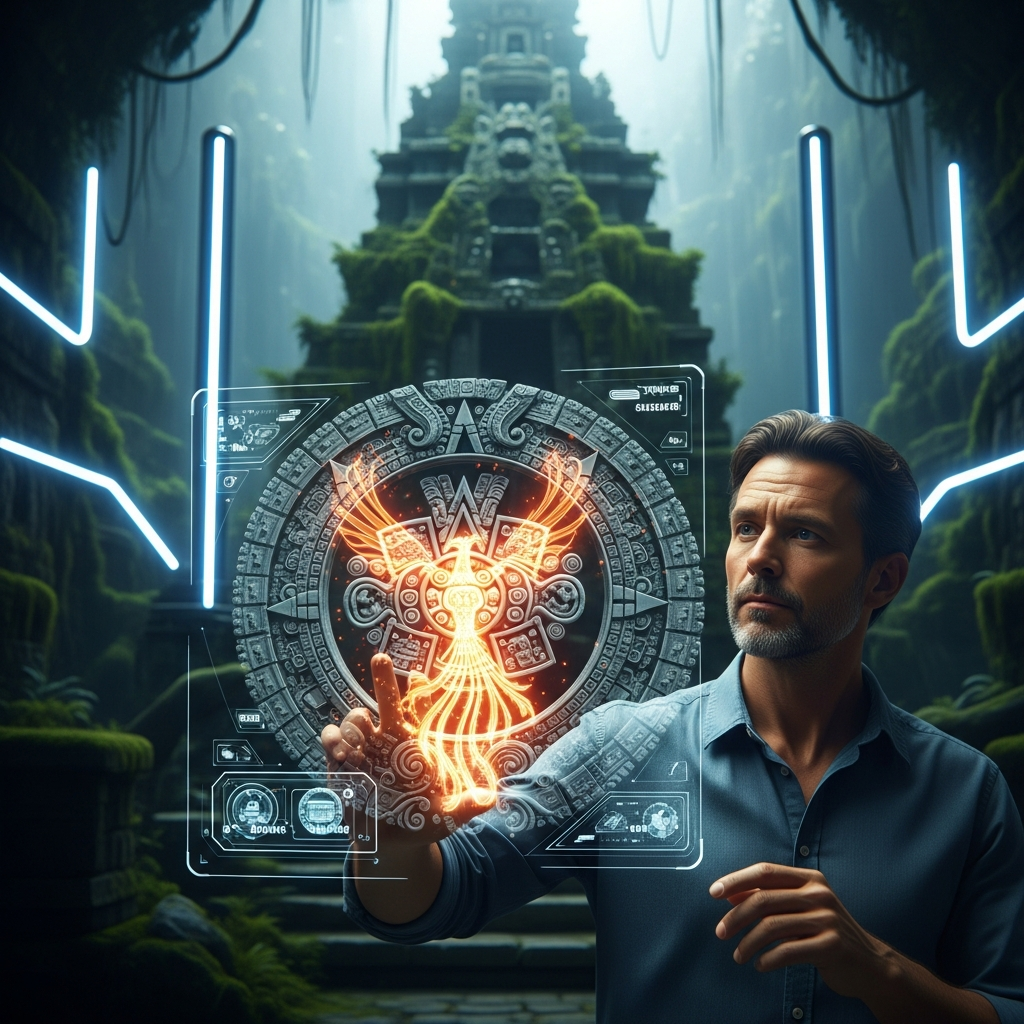
It is quite fascinating when you think about how little our core stories have changed over the millennia. We might have swapped cave paintings for high-definition OLED screens and oral traditions for complex code; but the heart of what keeps us hooked remains remarkably consistent. We are still looking for the same things our ancestors were: a bit of wonder; a sense of progression; and the eternal hope of a fresh start.
In recent years; there’s been a massive shift in how we consume these stories. We’ve moved away from being passive observers, just sitting there watching a plot unfold, and transitioned into a world of interactive, narrative-driven digital experiences. It isn’t just about entertainment anymore; it is about participation. The 21st-century audience doesn’t just want to hear about a hero; they want to feel the weight of the hero’s decisions. This convergence of cutting-edge technology and ancient myth is creating a new kind of narrative that feels both futuristic and deeply familiar.
The meeting of tech and myth
If you look back twenty or thirty years, digital entertainment was often quite a lonely, static affair. You had your basic sprites moving across a screen with very little emotional resonance. However; as processing power increased and developers began to understand the psychology of engagement, they realised that technology alone wasn’t enough. You could have the most realistic graphics in the world, but if the story didn’t tap into something primal, people would eventually tune out.
This is where the shift happened. Developers started looking backward to move forward. By weaving ancient myths into the fabric of interactive software, they found a way to ground their technical innovations in something meaningful. It’s why we see so many modern games and platforms using the “Hero’s Journey” structure identified by Joseph Campbell. We aren’t just clicking buttons; we are navigating a digital odyssey. This blend of narrative and interactivity has turned software into a living breathing thing, where the user is the final piece of the puzzle.
Why certain symbols never grow old
You have probably noticed that some themes pop up everywhere. Whether it is a blockbuster film, a sprawling open-world game, or a digital slot, the same symbols keep appearing. The Phoenix and the vast, mysterious Aztec civilisations are perhaps two of the most potent drivers of user engagement today. But why?
I reckon it comes down to what they represent on a psychological level. The Phoenix is the ultimate symbol of resilience. The idea that something can be completely destroyed and then rise from its own ashes is incredibly powerful, especially in a fast-paced digital world where we are constantly looking for a “reset” or a new beginning. It taps into our desire for a second chance.
Then you have the Aztecs. Their culture is often depicted with a mix of awe and mystery; featuring intricate stonework, hidden treasures, and a deep connection to the cosmos. In the world of interactive media; this aesthetic provides a rich playground for visual storytelling. The secrets of the phoenix serves as a perfect example of how high-fidelity visuals can take these ancient icons and make them feel relevant for a modern audience. When you see the glowing embers of the bird or the heavy stone carvings of a jungle temple, it triggers a sense of exploration that is hard-wired into our brains.
Please remember that any form of gaming should be approached responsibly. It is vital to set limits and never gamble more than you can afford to lose. For support and information, visit BeGambleAware.org. 18+ only.
The mechanics of momentum and raining reels
Innovation in the digital space isn’t just about how things look; it is about how they feel. One of the most significant technical breakthroughs in the last decade has been the development of cascading mechanics, often referred to as “Raining Reels” technology.
If you haven’t come across this before, it is a simple but brilliant bit of software engineering. Instead of the traditional spinning motion we saw in older machines, symbols fall from the top of the screen. When a winning combination is formed, those symbols vanish, and new ones drop into the empty spaces. This creates a feedback loop that feels incredibly satisfying.
What is clever here is how the technical mechanics mirror the thematic content. Take the title secrets of the phoenix as a premier example. In this game, the cascading wins are a direct physical representation of the Phoenix’s own cycle of rebirth. As the symbols disappear and are replaced by new ones, it feels like the game is constantly regenerating itself. This isn’t just a random choice by the developers; it is a calculated effort to ensure the “feel” of the game matches the story it is trying to tell. The visual feedback of the “rain” creates a sense of momentum that keeps the user engaged far longer than a static experience ever could.
A case study in thematic integration
When we evaluate why certain titles become massive hits in the digital entertainment market while others fade away, it usually comes down to how well they integrate their theme. It isn’t enough to just slap a picture of a bird or a temple on a screen. The most successful developers understand that every element—from the sound of a stone block landing to the way the light glimmers off a golden idol—must contribute to the narrative.
Title’s like those mentioned above have succeeded because they don’t treat the theme as an afterthought. They use it to inform the math, the mechanics, and the user interface. When a player sees the reels “rain” down, they aren’t just thinking about the potential outcome; they are experiencing a digital interpretation of an ancient legend. This level of immersion has a huge impact on the broader market. It raises the bar for what users expect from their interactive media. We no longer want flat, one-dimensional games; we want worlds that feel lived-in and stories that feel like they have weight.
This success has forced the rest of the industry to step up. We are seeing more budget being pushed into art departments and narrative designers than ever before. The “commercial” side of gaming has realised that the best way to keep people coming back is to tell a story they actually care about, wrapped in a mechanic that feels rewarding to use.
The road ahead for digital storytelling
So, where do we go from here? As web technology continues to evolve, the line between science, business, and gaming is going to get even thinner. We are already seeing the beginnings of more immersive storytelling through augmented reality and more complex browser-based engines that allow for console-quality graphics without needing a dedicated machine.
The future of digital innovation likely lies in even deeper personalisation. Imagine a narrative that adapts not just to your choices, but to your style of play. If you’re someone who likes the steady rhythm of cascading reels, the story might lean into themes of persistence and cycles. If you prefer high-risk scenarios, the legend might evolve to reflect that.
We are also likely to see ancient myths used in ways we haven’t even considered yet. Perhaps we will see AI-driven characters that can discuss the lore of the Aztecs with you as you explore a digital temple, or procedural storytelling that creates a unique “rebirth” legend for every single user.
The beauty of using these ancient legends as a foundation is that they provide a stable base for even the most experimental technology. No matter how much the delivery method changes; the human heart will always respond to a story of a bird rising from the flames or a lost civilisation waiting to be found. By bridging the gap between our oldest tales and our newest tech, developers are creating something truly special: a new narrative that belongs to all of us.
In the end, it’s about the connection. We use these tools to reach out across time and space, finding common ground in the stories that have defined us for centuries. Whether you’re a developer, a casual player, or just someone interested in where the digital world is headed, it’s a brilliant time to be watching this intersection of history and innovation. The Phoenix isn’t just rising in the myths anymore; it’s rising in every line of code that dares to tell a better story.