
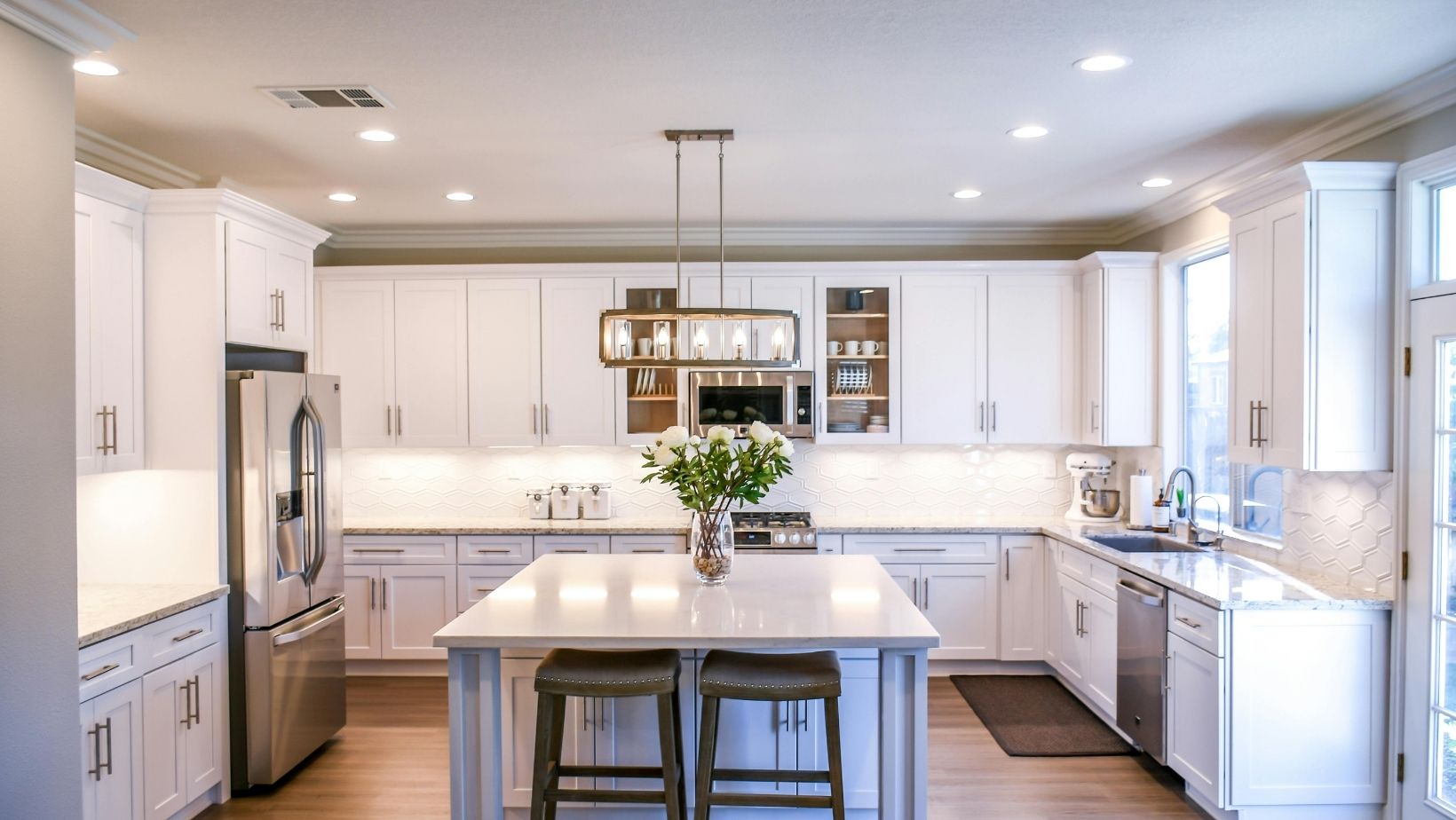
Utility costs are the most controllable, yet only a handful manage them. Energy rates and water prices are expected to rise. Hence, smart upgrades are becoming much more efficient, providing value for money and acting beyond mere conservation efforts. Technology today is focused on automation, data, and optimization of efficiency gains over time. What distinguishes this upgrade in commercial and high-end kitchens is that it helps operators minimize waste without undermining functionality or dependability. The following are seven smart kitchen upgrades that meaningfully cut utility costs and provide evident upfront long-term value.
Ice Machines with ENERGY STAR
Constructed on technology improvements regarding compressors, insulated storage bins, and better freezing cycles, these machines consume considerably less water and electricity. Savings from busy kitchens can add up quickly, often trimming operating costs by hundreds or thousands of dollars annually.
Besides the utility effects, efficient ice machines also place less stress on plumbing and electrical work. Most kitchens recoup their investments in two to three years, especially in the replacement of older machines. When purchasing from Ice Machines Plus, operators can see the production capacity, energy rating, and water use, which will help them quantify savings before committing to any new machine.
Demand-Controlled Ventilation
Conventional ventilation, either at constant speeds or depending on activity level, wastes energy during quiet hours. Demand-controlled ventilation uses infrared radios and humidity sensors to detect heat, smoke, or humidity and adjust an appropriate level of air flow automatically.
The other benefit is the reduction in the demand for heating and cooling, which could be considerable for bigger kitchens. Although upfront costs are more than for conventional systems, many enterprises return their investments within two to four years.
IoT Power-Monitoring Systems
IoT power monitoring provides real-time insights into the electricity consumption levels of individual pieces of equipment. This granularity helps identify equipment that consumes power while in idle mode or operates inefficiently during peak hours. Just by adjusting usage periods, immediate reductions in electricity bills could be claimed.
Such data over time support smarter buying and replacement decisions. A small number of appliances in any kitchen often use a large share of the total energy. With low installation costs, IoT monitoring systems typically pay back within 12 to 18 months.
High-Efficiency Water Filtration
Water filtration is vital from an energy-efficiency perspective, as it prevents the internal buildup of scales within various equipment. The mineral deposits hinder the normal functioning of machines, causing higher consumption over time of either electricity or gas. Filtration helps an ice machine, dishwasher, and steamer to function in peak performance.
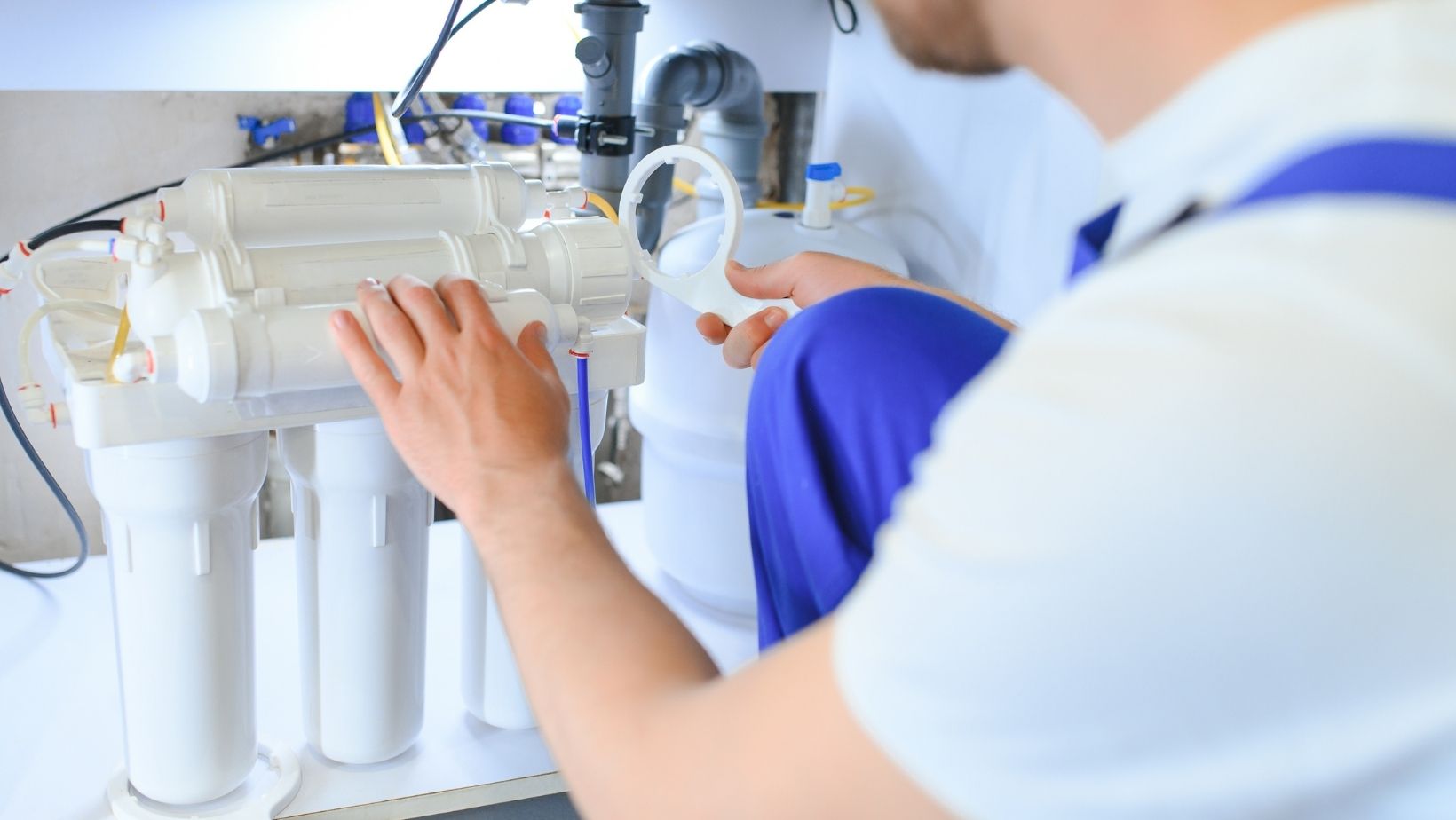
Along with decreased energy usage, filtered water also aids in extending the lifespan of the equipment and reducing how frequently they need maintenance. Within the first year, kitchens will witness indirect savings on utilities. Full payoffs typically happen after 1 to 2 years when reductions in maintenance and downtime are factored in.
Predictive Maintenance Tools
Predictive maintenance systems make use of sensors and analytics to monitor and track performance trends of the equipment. When motors, compressors, or pumps begin to run inefficiently, the system flags it, well before it leads to failure.
This prevents days or weeks of excessive energy consumption. Maintenance cost reductions combined with utility savings make predictive maintenance a major kitchen upgrade.
Heat Recovery Add-Ons
Heat recovery systems extract waste heat from refrigeration units, dishwashers, or exhaust air and redistribute it to another zone within the kitchen. A common practice of these add-ons is preheating water and supplementing space heating, thus minimizing the load on the boilers and heaters.
While the installations are more complicated, the long-term savings are significant. Kitchens with high hot-water demand will benefit more and tend to reach payback in three to five years. After that period, the recovered heat translates directly to lower utility bills.
Smart Leak Detection Systems
Water leaks go unnoticed most of the time, until spiking bills or damage arise. Through the continuous monitoring of flow patterns, smart leak detection systems alert the operator in real time to any unusual activity. Immediate attention can be paid to leaks, thus saving water and energy.
Stopping leaks from the hot-water line is especially valued, for it increases both water and heat costs. The model is easy to install, and relatively inexpensive-the fast payback of most kitchens is usually one to two years. The added protection from water damage increases the ROI further.
Endnote
Smart kitchen upgrades do not just mean an increment in savings; they mean an everlasting sweep of the efficiency landscape. Through data, automation, and recovery, kitchens can bring about great savings in utility costs, with limited disturbance to operations. The key is to choose technologies that are efficient. These upgrades change an otherwise ordinary kitchen practice into a stable source of savings.