

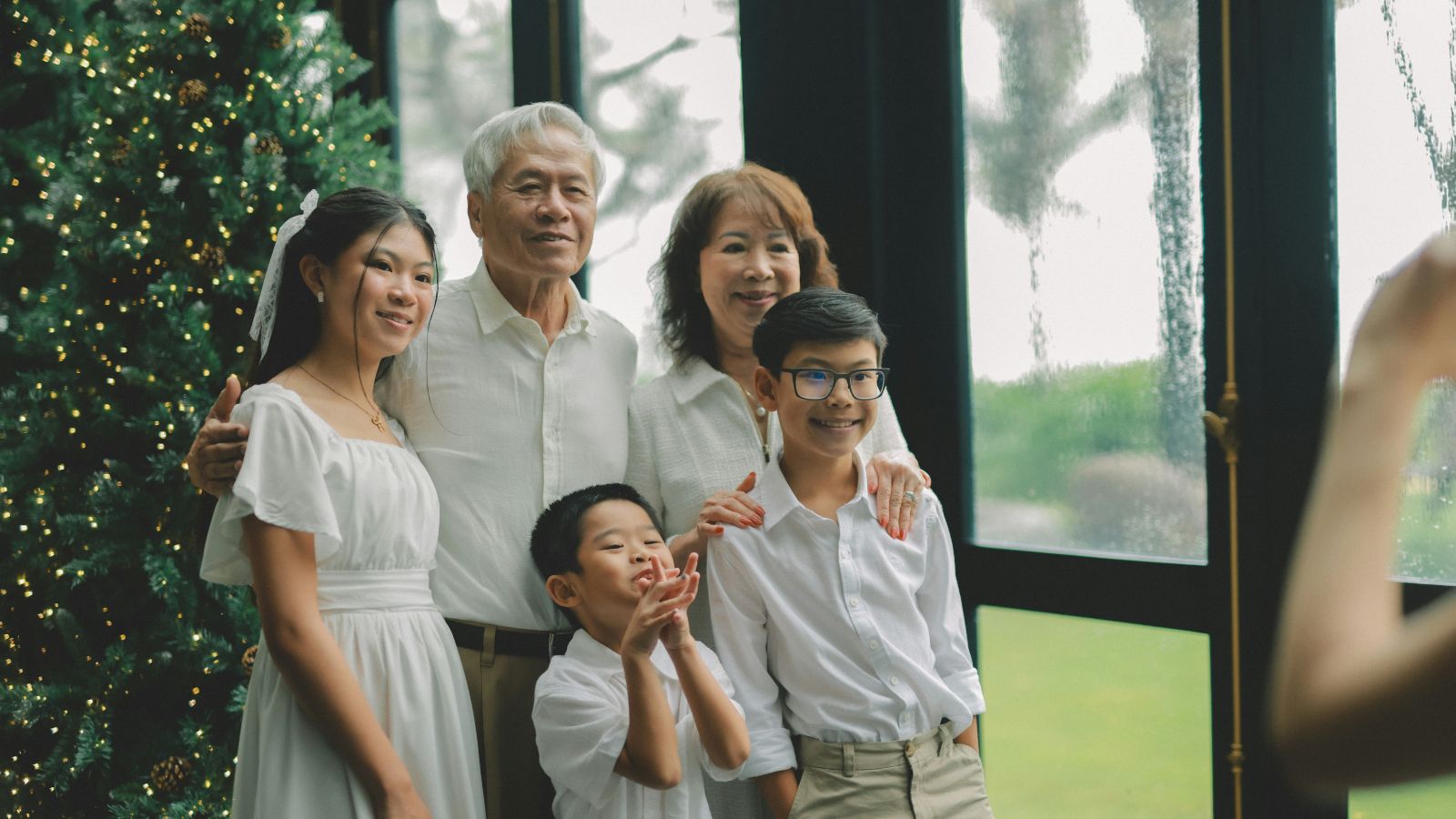
Family life is sewn together by a series of daily habits, traditions, and momentous occasions that help define the rhythm of our existence. These rituals, from communal meals to holiday gatherings, serve as touchstones in our lives, anchoring us amidst the chaos of modern living. While some view them as mere routines, these ceremonies are transformative, nurturing bonds that can last a lifetime.
The Power of Consistency
It is the repeated dance of daily rituals that shapes the spirit of a family. Morning breakfasts at the family table, evening stories before bedtime, or Sunday night movie sessions may appear mundane, yet they are instrumental in creating a family’s identity. Consistency breeds familiarity, fostering security and trust within relationships.
When a family sits down to share a meal, communication flows naturally. These moments offer a platform for members to share experiences and emotions, enhancing emotional bonds. In a world rife with distractions, shared meals force us to focus on each other, nurturing a sense of belonging that strengthens through the years.
The repetition inherent in these gatherings lays the framework for a lifetime’s worth of shared wisdom. It is during these recurring meetups that family stories are retold, values are reinforced, and legacies are honored. These ongoing exchanges nurture a collective memory, ensuring traditions and family character traits are passed down to younger generations.
A bustling household, filled with the laughter and chatter of such rituals, becomes a sanctuary—a place where we can let our guard down and be our most authentic selves. This familiarity breeds openness, allowing individuals to express their insecurities, triumphs, and dreams without judgment. It’s a setting where authenticity thrives, allowing every family member to find their unique voice.
Rituals as Milestones
Family rituals create milestones that punctuate our lives. Birthdays, anniversaries, significant religious moments, and holidays mark time, aging us gracefully. They are moments of joy and reflection—a chance to celebrate accomplishments, mourn losses, and envision futures.
Take, for example, holiday gatherings. Whether it’s lighting candles or trimming the tree, these rituals help center us. They remind us of shared histories while creating new stories that will be retold for generations to come. Each ceremony is an opportunity to reconnect with traditions that act as a balm against the transience of life.
These milestones carve out spaces for gratitude, an opportunity to remember contributions from family members who have passed on, to appreciate, in memory’s glow, opportunities we may have missed during the moments they occurred. Engaging in these rituals also emboldens us to pay forward the love and nurturing we’ve received. Consider using these moments to express your wisdom and affection with loved ones. For example, share a heartfelt message in a birthday card or add personalized wording to a baptism card.
It is within these milestones that unity is fostered. They call for introspection, enabling family members to reach a deeper understanding of each other. Rituals provide the necessary settings for individuals to reckon with personal and communal challenges and triumphs, creating a sense of continuity and growth.
Rituals and Change
While family rituals provide stability, they are not immune to change. When new members join the family, whether through birth, adoption, or marriage, rituals evolve. Adaptability ensures that traditions remain relevant in an ever-shifting world.
Conversely, changing rituals can indicate maturity or a shift in family dynamics. Perhaps a family can no longer gather for Sunday brunch due to growing obligations, but a new tradition might arise, bringing members together in unexpected ways. Change doesn’t destroy rituals; rather, it breathes fresh life into them, presenting novel opportunities for connection.
As families navigate change, it’s essential to embrace the new while cherishing the old. By doing so, growth is encouraged, memories are built upon, and the values embedded within each tradition endure. In moments of transition, these reimagined rituals act as bridges, linking past practices to future possibilities.
This blending of old and new transforms rituals into living entities that adapt with time. It honors the contributions of previous generations while inviting contemporary perspectives. Such evolution allows rituals to remain vibrant, upholding family legacies while embracing the broadened understanding that each new generation brings.
The Impact on Mental Health
Rituals not only forge stronger familial ties but also impact individual well-being. They offer stability, an anchor amid personal storms. The predictability and comfort they provide can help ward off anxiety and depression. In trying times, returning to familiar rites offers solace, reminding us of resilient love.
Rituals act as a compass, directing us back to our core values and buffering us from adversity. They establish a collective identity—a narrative of who we are and who we wish to be. In understanding the rhythm of family life, we embed within us a quiet strength that carries us through life’s vicissitudes.
Moreover, rituals cultivate intentionality, encouraging mindfulness in daily life. By consciously participating in these proceedings, we foster awareness and gratitude, reducing stress and enhancing our mental resilience. This practice helps us stay present, allowing us to savor everyday moments that often go unnoticed amid life’s challenges.
Conclusion
The transformative power of family rituals is undeniable. They forge connections, marking the passage of time with warmth and belonging. In the mosaic of human experience, these shared moments are our anchors, securing us in tradition while concurrently gifting us room to evolve. As families grow and change, rituals remain at their heart, continuing to shape, support, and define them in ways both profound and tender.