

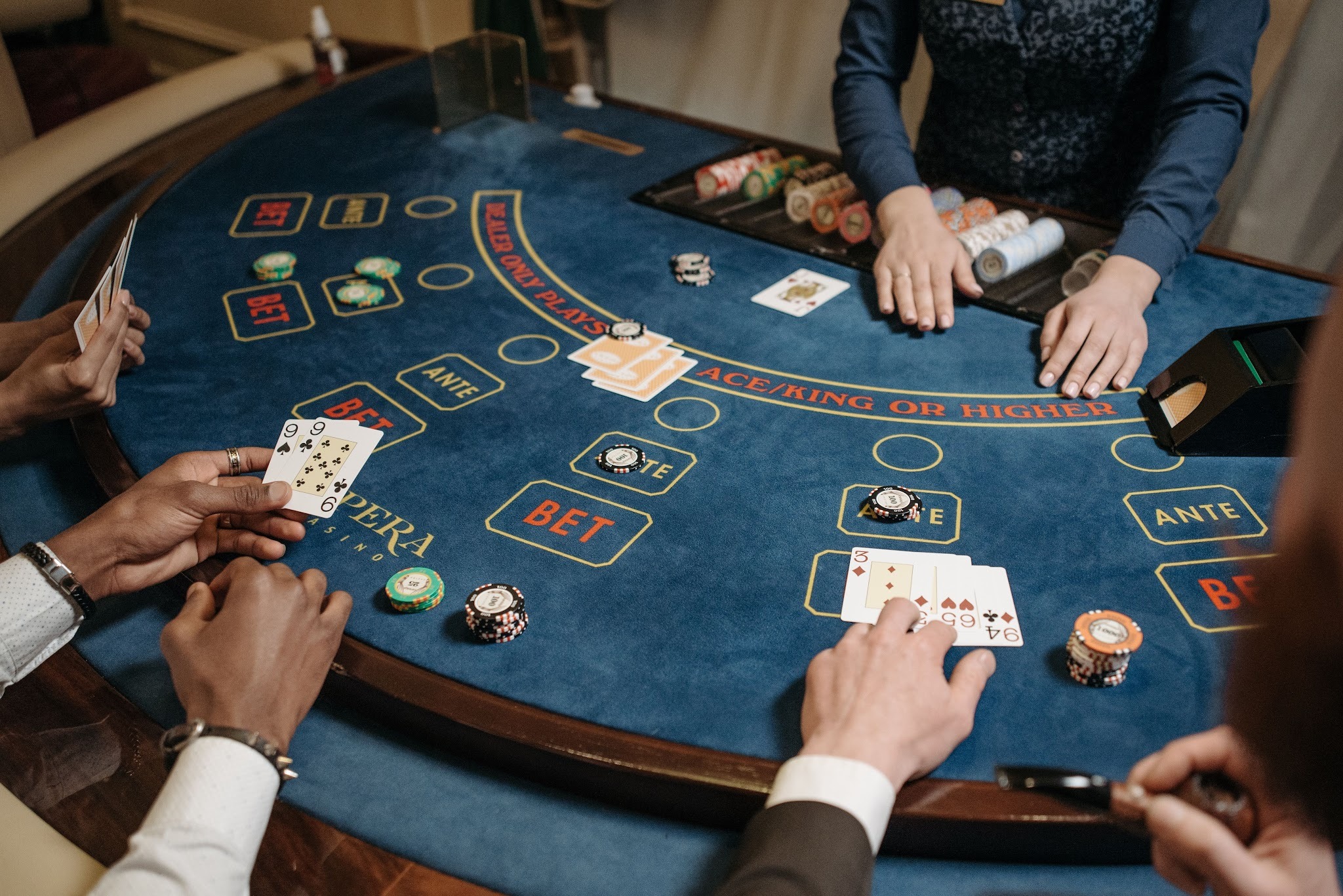
There was a time when simply having an online casino was enough. Offer a handful of slots, put up a welcome bonus and players would come. The bar was low because the alternatives were limited. If you wanted to gamble online, you found a platform that worked and you stayed.
That era is firmly over. According to Research and Markets, the global online gambling market is on track to reach $143.17 billion in 2026, and growing at 10.4% annually to reach $212 billion in 2030. Inside that booming market is a player who has been shaped by social media and entertainment platforms to be entertainment consumers first and gamblers second.
Now, players are comparing every platform they touch to the best digital experiences they’ve had anywhere. Operators like jackpot city who understand this shift have realized that the design of the game itself has moved from background consideration to primary battleground. And this isn’t just about making games look pretty. It’s about understanding that game design is now the product.
Retention is the real metric
Ask any casino operator what they’re worried about in 2026, and retention comes up quickly. Players are now easier to lose than ever, and the economics have become very unforgiving. You see, studies have shown that acquiring new customers costs five to seven times more than retaining existing ones. On the other hand, research has also shown that a 5% increase in retention rates can boost profits by up to 95%. Those numbers reframe the entire conversation about game design. A more engaging game isn’t just a better product. It’s a financial strategy.
The data on how badly the industry is struggling to retain players is sobering. According to a report by GameAnalytics, retention rates for top-performing games start at 40% on day one, but plummet to 6.5% by day 28. Mark you, this is for top-performance games. Some genres get to even 1.5% by day 28. The platforms that survive that attrition are the ones where design keeps players engaged beyond their first session.
Richard Ganster, Director of Games Strategy at iGaming technology developer Greentube, put it plainly: “A top-performing game in 2026 is one that retains players, not just attracts them. The winning formula is consistent engagement over time, not short-term revenue spikes.”
That philosophy is reshaping how games are evaluated. Rounds per session, feature trigger rates and seven-day return rates have become more meaningful than headline RTP figures. Design isn’t decoration. It’s the engine that drives every one of those numbers.
Gamification turns sessions into journeys
The single most transformative design trend in online casino gaming right now is gamification. And it’s producing results that are hard to argue with.
According to statistics by Smartico, studies show that gamified iGaming platforms like Jackpot City retain up to 75% of players over six months, compared to roughly 50% retention on non-gamified platforms. That’s not a marginal improvement. That’s a fundamentally different business outcome, driven entirely by design decisions.
The logic is simple enough. A player who is only there for the next spin has one reason to stay. A player who is three missions away from unlocking a reward tier, competing on a leaderboard, and two days into a weekly challenge has several. Gamification doesn’t change the underlying game mechanics. It builds a structure around them that gives players a story to be part of.
Data by Xtremepush reveal that Best-in-class iGaming operators consistently reach Day-30 retention rates of 30–40%, roughly double the industry average of 15–25%. Additionally, they trigger rewards in real time during the session, not 24 hours later via overnight batch sync. The timing detail matters. A reward that arrives while a player is still in their session reinforces the experience in the moment.
Platforms like Jackpot City have leaned into gamification mechanics because they specifically deal with the platform’s core audience. Those players who want to feel progression and not just transactions.
Speed is of the essence
There’s one aspect of game design that gets consistently underestimated in trade coverage. Loading time. A sluggish game load kills engagement instantly since speed is non-negotiable for player growth.
According to a recent Google study, 53% of mobile users abandon a site if it takes longer than three seconds to load. That’s a majority of your mobile audience, gone before they’ve seen a single game, because a page took too long. In fact, Akamai stated 47% of smartphone users now expect websites to load in two seconds or less, down from four seconds in previous years. As it is clearly visible, the expectation is tightening, not loosening.
And the financial consequences compound fast. A one-second delay can reduce conversions by up to 20% and page views by 11%. For a casino processing thousands of sessions daily, that’s not a rounding error. That’s a revenue line.
Game design in online casinos used to be about aesthetics. It’s now about everything. Now, operators like Jackpot City who treat game design as a strategic investment rather than an operational expense are building something the acquisition budget can’t buy: a platform that players genuinely want to come back to. In a market heading toward $143 billion, that distinction is everything.


